
Nutriworks Guide to Carb Loading
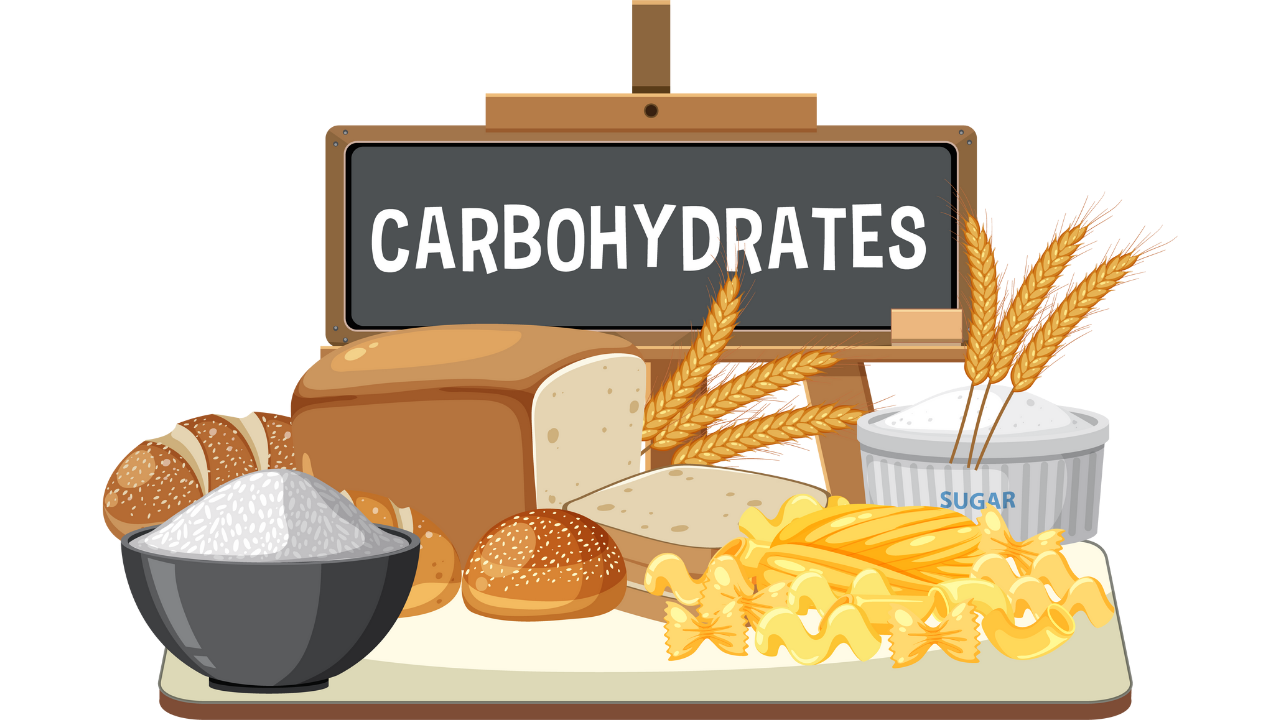
Carb loading is a short-term nutrition strategy used to maximize glycogen (stored carbohydrate) in the muscles and liver. Here’s what you need to know before your next race!
If you’re an endurance athlete, chances are you’ve heard the term “carb loading.” But do you really understand what, why, when, and how to implement this strategy? Here’s what you need to know!
What:
Carb loading is a short-term nutrition strategy used to maximize glycogen (stored carbohydrate) in the muscles and liver. Glycogen is your body’s preferred fuel source for moderate- to high-intensity exercise, especially endurance activities lasting >90 minutes.
By intentionally increasing carbohydrate intake in the days leading up to an event, you ensure you body’s “fuel tank” is full, allowing you to maintain energy, delay fatigue, and perform at your best. Research has shown a solid carb load can improve performance by up to 3%!
Carb loading is not necessary for:
Short events (e.g. a <60minute 5K/10K race)
Strength training sessions
Low to moderate training intensity (e.g. a tune up race not performed at peak effort)
Daily training sessions
When?
Begin your carb load 36-48 hours before your A race or event. Don’t just start the night before!
How?
Plan to consume 8-12 grams of carbohydrate per kilogram of bodyweight per day. A carb load doesn’t mean you stuff yourself with pizza, chicken fettucine alfredo, and buttery garlic bread (bummer, I know!). It means shifting the balance of your plate to prioritize simple, easy to digest carbohydrates.
Key tips:
• Increase carbohydrate portions while keeping meals familiar (nothing new on race/competition weekend!)
• Reduce portions of high fat foods to help with digestion and shift calories to the necessary carbohydrates
• Stick to low fiber carbohydrate choices for easier digestion (e.g. bagels, white rice, pasta, graham crackers or saltines)
• Spread carbohydrate intake throughout the day with meals and snacks
• Utilize liquid carbohydrates for convenience or if you’re feeling too full (e.g. fruit smoothies, juice, and sports drinks; add honey/maple syrup to coffee/bagels/toast)
Note:
We recommend avoiding the scale during a carb load and immediately after a race/competition as it will not provide meaningful feedback - and may cause unnecessary alarm or fear! Your weight will increase as your body will store extra water along with the extra carbohydrate. This is temporary and means you will show up optimally fueled at the start line!
Looking for a carb load plan perfectly tailored to your needs, preferences, and competition? One of our sports dietitians will provide this as part of your Race/Competition Day Nutrition Appointment! Contact us to get scheduled before your goal event!