
Kitchen's Closed: Break Free from Late Night Snacking
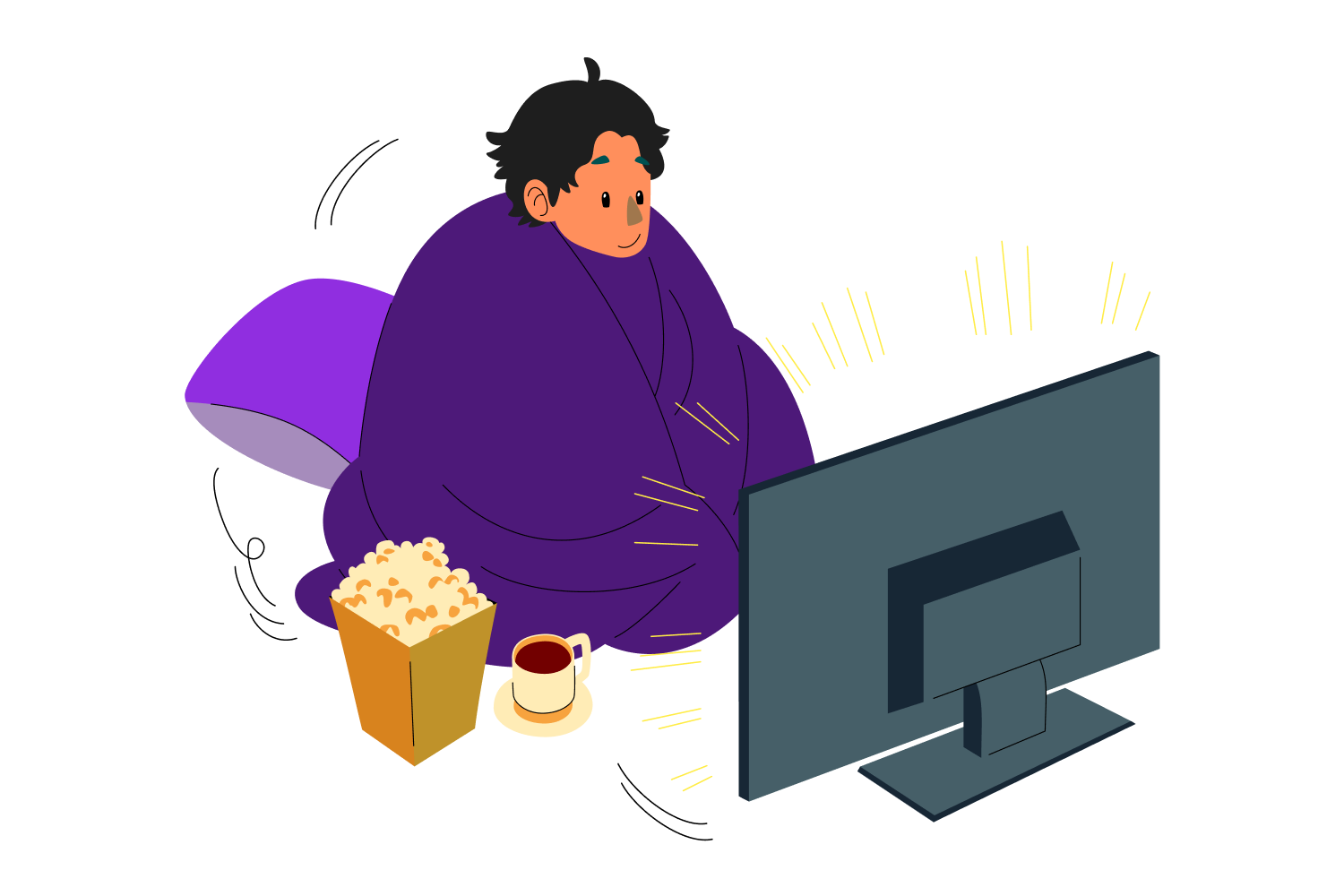
Snacking after dinner can be driven by many different factors. Instead of feeling frustrated, try getting curious about what might be contributing to the habit. Small changes to your meals, your environment, and your sleep routine can go a long way in helping you feel more in control of your evenings!
It’s 9PM, the kitchen is technically “closed,” and yet... your brain is negotiating for just one more snack. Sound familiar? These late-night cravings aren’t always just about hunger! They’re often a mix of habit, emotion, and biology quietly breaking down your willpower. Whether it’s stress, boredom, or unbalanced meals earlier in the day, those post-dinner nibbles can sneak in and stall your health goals. The good news? Once you understand what’s really driving the urge, you can finally break the cycle and reclaim control of your evenings.
Are you eating enough throughout the day?
If you’re trying to figure out why you feel hungry every night, your daytime habits are a great place to start. If you’re undereating earlier in the day (intentionally or not), your body will try to make up for it later, often in the form of nighttime cravings. Not skipping meals and making sure each meal is balanced with protein, carbohydrates, and fat can regulate your hunger hormones and help keep you full and satisfied.
What are you eating throughout the day?
Three key nutrients play a big role in fullness: protein, fiber, and healthy fats. These nutrients take longer to digest, helping you stay satisfied between meals. Carbohydrates digest more quickly, especially when consumed on their own or from refined sources like snack foods and desserts. While carbs are an essential part of a balanced diet, prioritizing high-fiber options and pairing them with protein and/or fat can help prevent quick spikes and crashes that lead to hunger soon after eating.
How are you feeling?
Emotions can have a powerful influence on what, and how much, we eat. After a long day, feelings like stress, anxiety, or even boredom can trigger cravings for comfort foods. These foods are often higher in sugar or less nutrient-dense, which can leave you feeling unsatisfied. Start taking a moment to check in with yourself before, during, and after eating to help you practice mindful eating (try using the Hunger-Fullness scale.). Noticing your hunger levels and emotional state can help you better understand your patterns and make more intentional choices.
How are you eating your dinner?
This might seem small, but how you eat matters just as much as what you eat. Eating while distracted, whether you’re watching TV, working, or rushing around, can make it harder for your body to register fullness. When that happens, it’s easier to feel like you still need something after dinner. Slowing down, minimizing distractions, and paying attention to your meal can help your body recognize when it’s satisfied. Even simple habits like putting your phone away or pausing between bites can make a difference!
Are you getting enough sleep?
Sleep plays a major role in regulating hunger and overall health. When you don’t get enough rest, hormones that control appetite can become disrupted, often increasing cravings, especially later in the day. On top of that, frequent late-night snacking can interfere with your natural sleep-wake cycle, creating a habit that’s hard to break. Prioritizing good sleep can support more balanced hunger cues and reduce the urge to snack at night.
As you can see, snacking after dinner can be driven by many different factors. Instead of feeling frustrated, try getting curious about what might be contributing to the habit. Small changes to your meals, your environment, and your sleep routine can go a long way in helping you feel more in control of your evenings!