
Caffeine for Athletes: Will It Improve Your Performance?
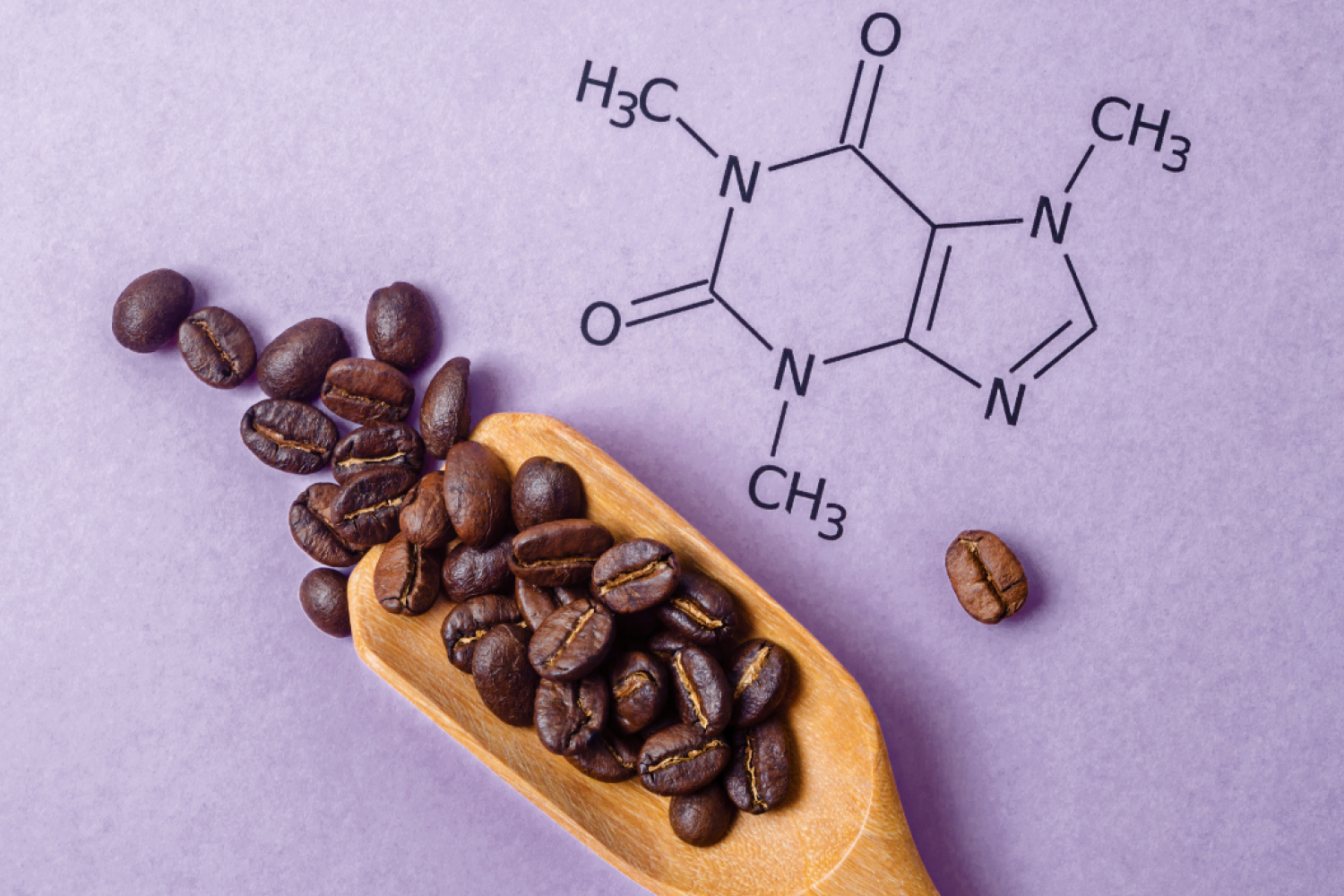
Can caffeine help you perform better? Here’s what athletes need to know!
Many athletes wonder if consuming caffeine before a workout or race can give them an extra boost. Research has shown that caffeine can improve alertness, decrease the perception of effort, and may enhance endurance, strength, sprinting, jumping, and other sport-specific performance. However, more caffeine does not necessarily mean better performance.
Know your dose: Research suggests that consuming 3–6 mg of caffeine per kilogram of body weight about 30–60 minutes before exercise can improve athletic performance. Higher doses are not necessarily more effective and may increase unwanted side effects.
Pay attention to how you feel: Too much caffeine can lead to jitters, anxiety, GI discomfort, an elevated heart rate, and difficulty sleeping. Individual responses vary, so the “right” amount is different for everyone.
Consider your caffeine source: Caffeine can come from many different sources, including coffee, tea, energy drinks, pre-workout supplements, chocolate, and caffeine supplements. The amount of caffeine can vary significantly between products, so check the label when possible, and if you’re consuming energy drinks or pre-workout, be sure you’re reviewing the other ingredients in the product. .
Practice before competition: Race day is not the time to experiment with a new caffeine strategy! Try your chosen source and dose during training first to see how your body responds and determine what works best for you.
Don’t forget about sleep: Caffeine can remain in your system for several hours and may interfere with sleep. Since recovery and sleep are essential for athletic performance, consider when you are consuming caffeine throughout the day, not just how much.
Caffeine can be a useful performance tool when used strategically, but more isn't always better. Start with a dose you tolerate well, practice your strategy during training, and prioritize your overall fueling and recovery habits.