Fuel Your Immune System During Race Season
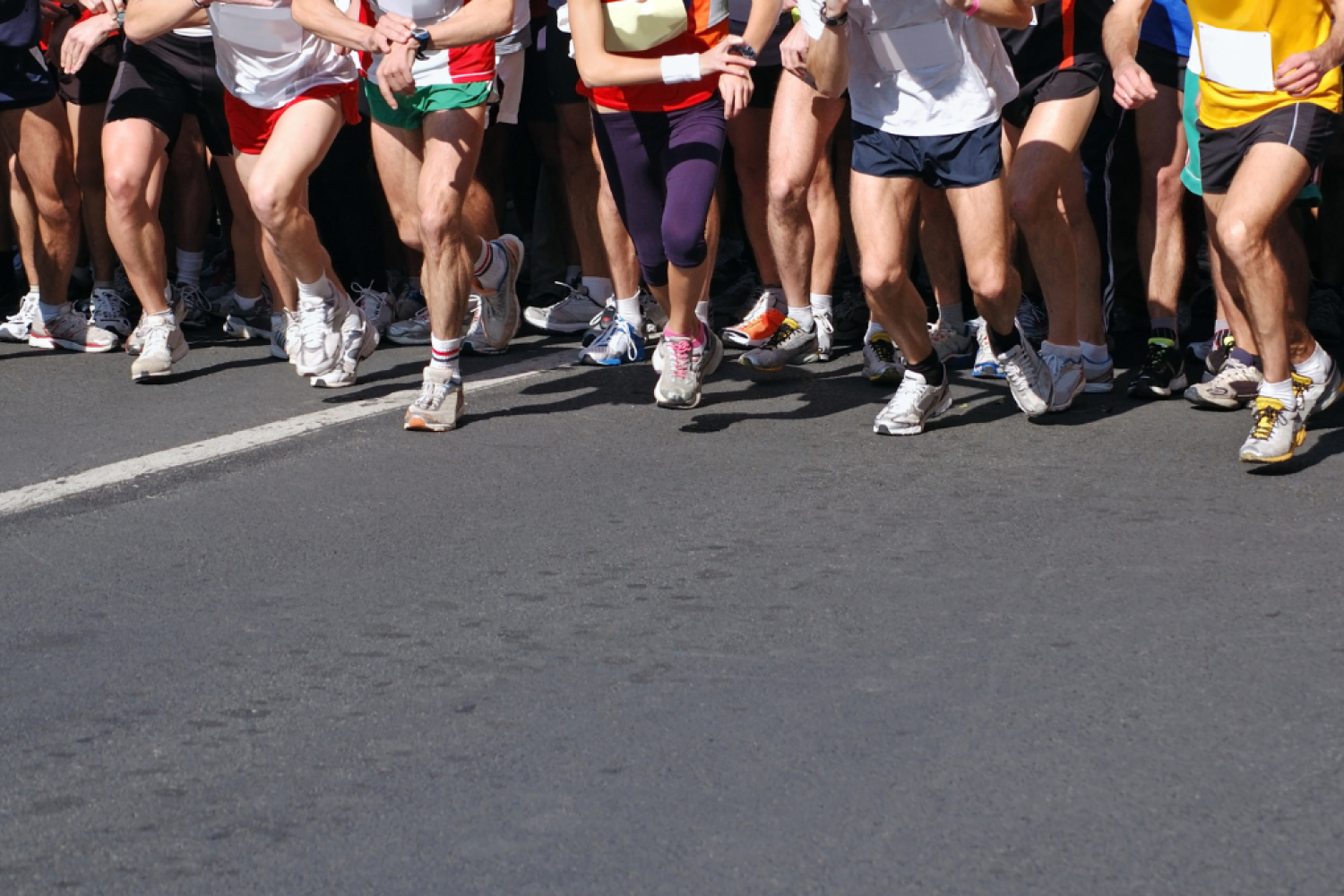
Why do athletes seem to get sick right after a big race or hard training block? Learn what can affect your immune health and how to fuel through peak training, taper, and race recovery to help you stay healthy and ready to perform your best.
Fall racing season is here, and unfortunately, so is cold and flu season!
Racing season is an exciting time, but it can also be a time when athletes notice they’re getting sick more often, especially after a demanding training block or hard race. High training volumes, underfueling, inadequate recovery, poor sleep, and exposure to illness while traveling can all contribute.
While a hard workout or race doesn’t automatically make you sick, heavy training can temporarily affect immune function. Thankfully, there are practical steps you can take to support your health while preparing for race day and recovering afterward!
Here’s what to focus on:
Eat Enough to Support Your Training
When mileage and workout intensity increase, your energy needs increase, too. Consistently underfueling can compromise recovery and normal immune function, particularly during demanding training blocks.
What to do: Eat regular meals and snacks throughout the day, and make sure your carbohydrate intake matches your training demands. Fuel before and during longer or harder workouts, and include carbohydrates and protein after training to support recovery.
Note: don’t dramatically cut your food intake during the taper just because mileage decreases! Your body is still recovering and preparing for race day, and maintaining adequate carbohydrate intake helps replenish glycogen stores. And then continue eating enough to support recovery after your race!
Stay Hydrated
Dehydration can add to the physical stress of training and make recovery more challenging. Your fluid and electrolyte needs depend on factors such as workout duration, temperature, humidity, and sweat losses.
What to do: Drink regularly throughout the day, bring fluids on longer runs, and consider electrolytes during prolonged exercise or in hot conditions, depending on your individual needs. After training and racing, replace fluids and sodium as appropriate for your sweat losses.
Eat a Variety of Nutrient-Rich Foods
Your immune system needs a variety of nutrients to function normally, including vitamins, minerals, protein, and essential fats. No single food can prevent illness, so focus on a balanced diet rather than searching for an "immune-boosting superfood."
What to do: Include fruits, vegetables, whole grains, protein-rich foods, and healthy fats throughout the day. During busy training weeks, make nutrition easier by keeping convenient options on hand, such as frozen vegetables, microwave rice, yogurt, fruit, and ready-to-eat protein sources.Prioritize Sleep, Recovery, and Illness Prevention
Nutrition is only one piece of the puzzle. Sleep, recovery, and exposure to illness also matter, especially when training demands are high.
What to do: Aim for consistent, adequate sleep and allow enough time to recover between hard workouts. During taper, take advantage of the reduced training load to prioritize rest. Then give yourself time to recover after your race before jumping back into demanding training.
If you’re traveling for a destination race, pack familiar snacks, maintain your usual eating routine as much as possible, wash your hands regularly, and to rest as much as possible.
You can’t guarantee a sick-free racing season, but you can take steps to support your health throughout training and arrive at the starting line ready to perform your best!